Episode 32 – Muddy Ground, Revisited
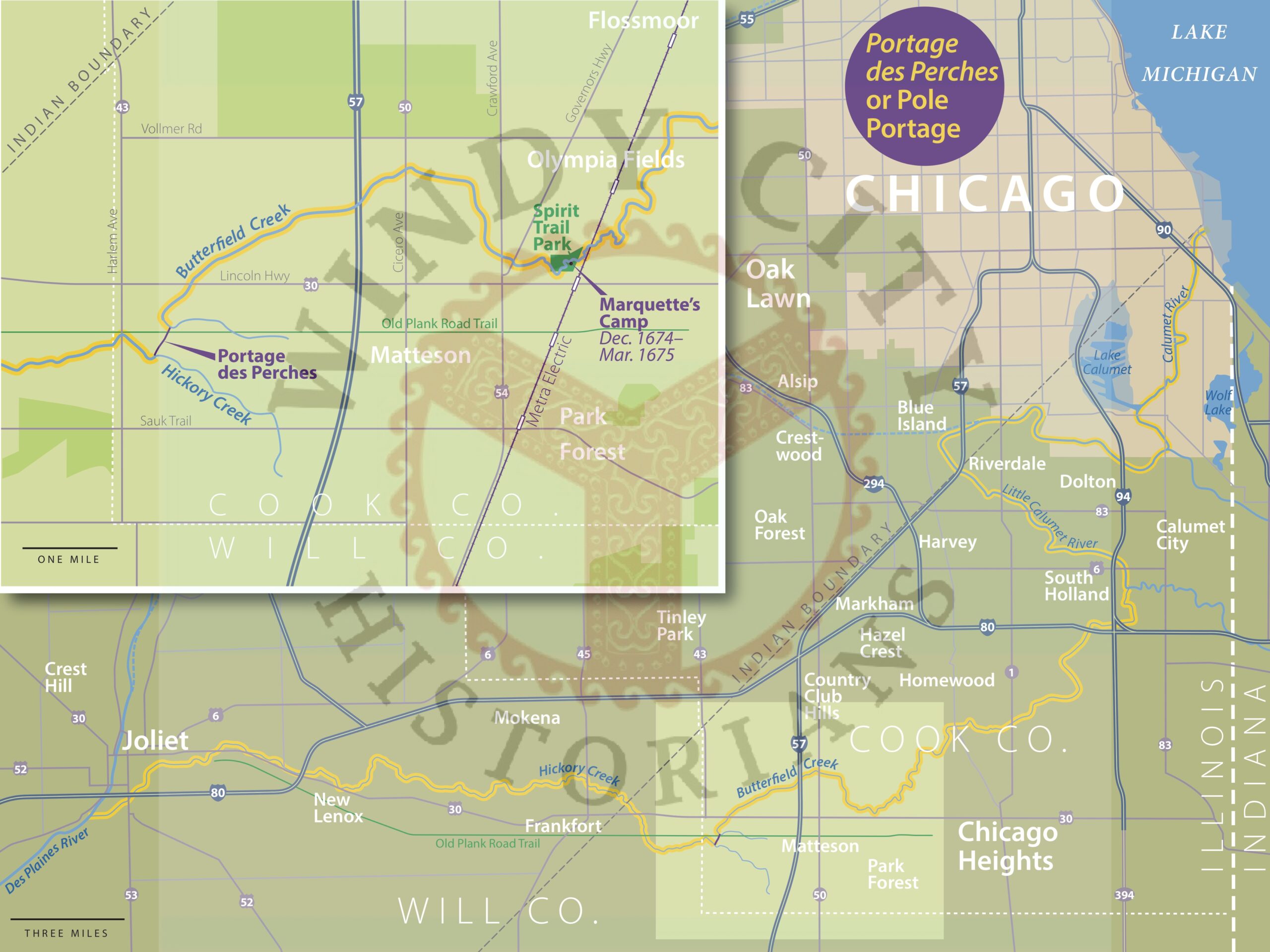
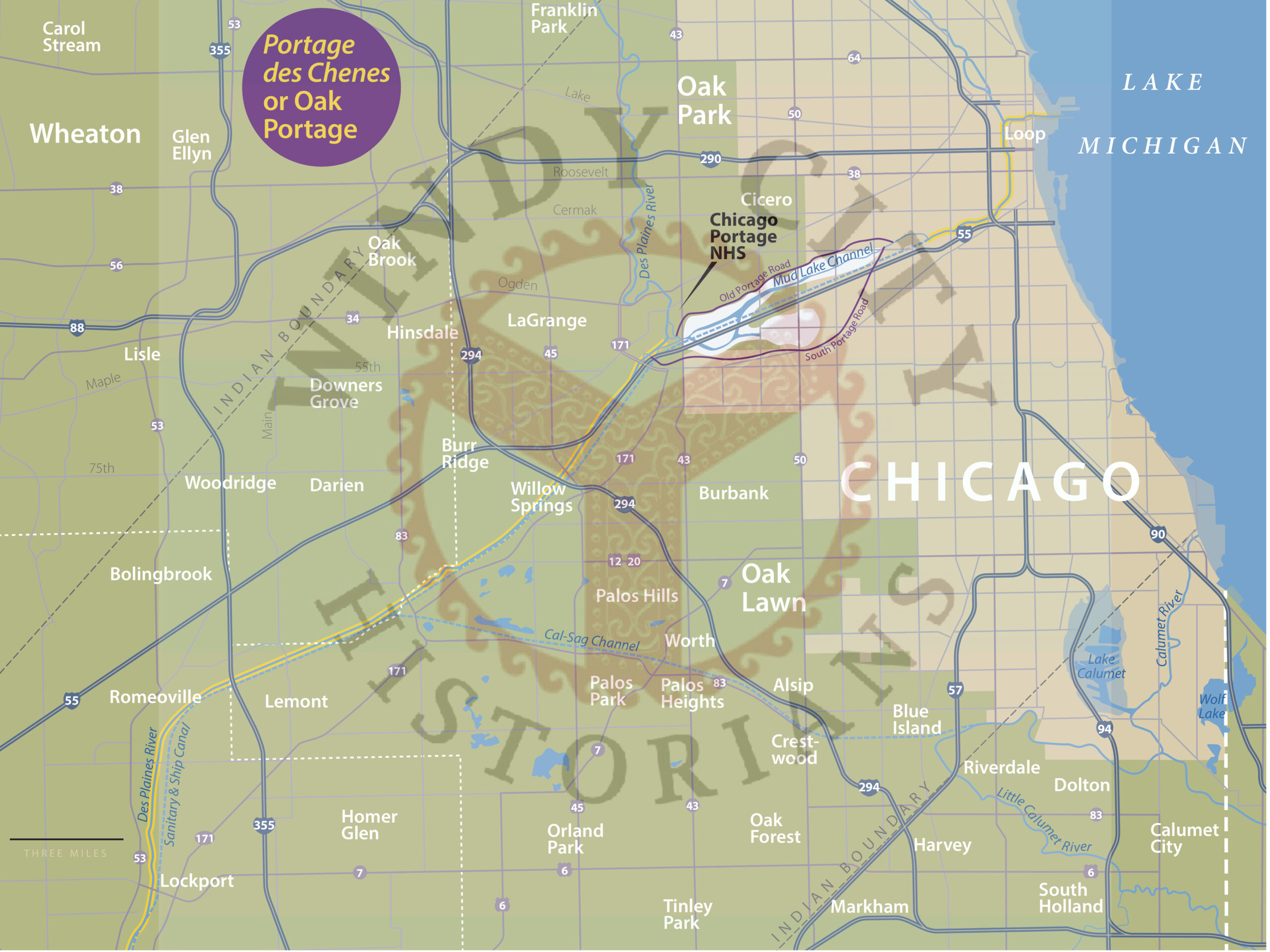
The Windy City Historians so enjoyed talking with John William Nelson Ph.D. Associate Professor of History at Texas State University about his book Muddy Ground; Native Peoples, Chicago’s Portage, and the Transformation of a Continent we revisit this discussion. With so much ground of the Chicago landscape traversed by both European and Native peoples, to cover, muddy or not we are returning for a second episode of more fascinating history.
In this episode, “Muddy Ground Revised”, the conversation continues, focusing on Chicago Portages, tying together historic threads, a brief tribute to Dennis McClendon, and more. We touch upon the grand department store, Hudson’s, with origins in the 1600s and contributions of several great historians of the 19th century, such as Wisconsin’s own William Reuben Thwaites and Frederick Jackson Turner, and their continued legacies to American historiography, and even contributions to Oscar-winning movies. It’s a fun ride into the Chicago’s past we hope you will enjoy as much as we did making it!

Links to Research and Historic Sources:
- Muddy Ground; Native Peoples, Chicago’s Portage, and the Transformation of a Continent by John William Nelson, Ph.D.
- WCH Episode 1909, with Dennis McClendon
- Dennis McClendon Obituary
- “The Map” by Elizabeth Bishop
- From The Conversation website “More than a department store: The long, complicated legacy behind Hudson’s Bay Company.” published April 7th, 2025.
- John Ford, Movie Director on Wikipedia
- The movie The Searchers in Wikipedia
- Historian Archer Butler Hulbert in Wikipedia
- Portage Paths: The Keys of the Continent by Archer Butler Hulbert